

Coastal homes and businesses enjoy big skies and salty breezes—but salt air, driving rain and storm gusts are brutal on roofing systems. From Somerset’s open headlands to Portishead’s waterfront, roofs face accelerated wear at verges, eaves, flashings and fixings. This guide from RMoss & Son Roofers (Weston-super-Mare) explains why coastal roofs fail faster and the proven techniques we use to keep them tidy, secure and watertight.
Why Coastal Roofs Fail Faster
- Wind uplift at edges: Mortar-verge and loose ridge work are first to lift and crack.
- Salt-laden air: Corrodes fixings and accelerates surface weathering on tiles and metals.
- Wind-driven rain: Forces water under laps and into short upstands and shallow flashings.
- Debris & gull activity: Fills gutters/outlets; ponding and overflows soon follow.
- Condensation risk: Colder sea air + warm interiors exposes poor ventilation quickly.
Our Coastal-Safe Specification (What We Recommend)
1) Mechanical Restraint
- Dry ridge & dry verge systems replace vulnerable mortar, adding clip-on restraint.
- Correct batten gauge & headlap set to pitch/material—stops wind getting under tiles.
- Ridge/hip fix kits for repeatable, warrantable restraint.
2) Flashings & Junctions That Last
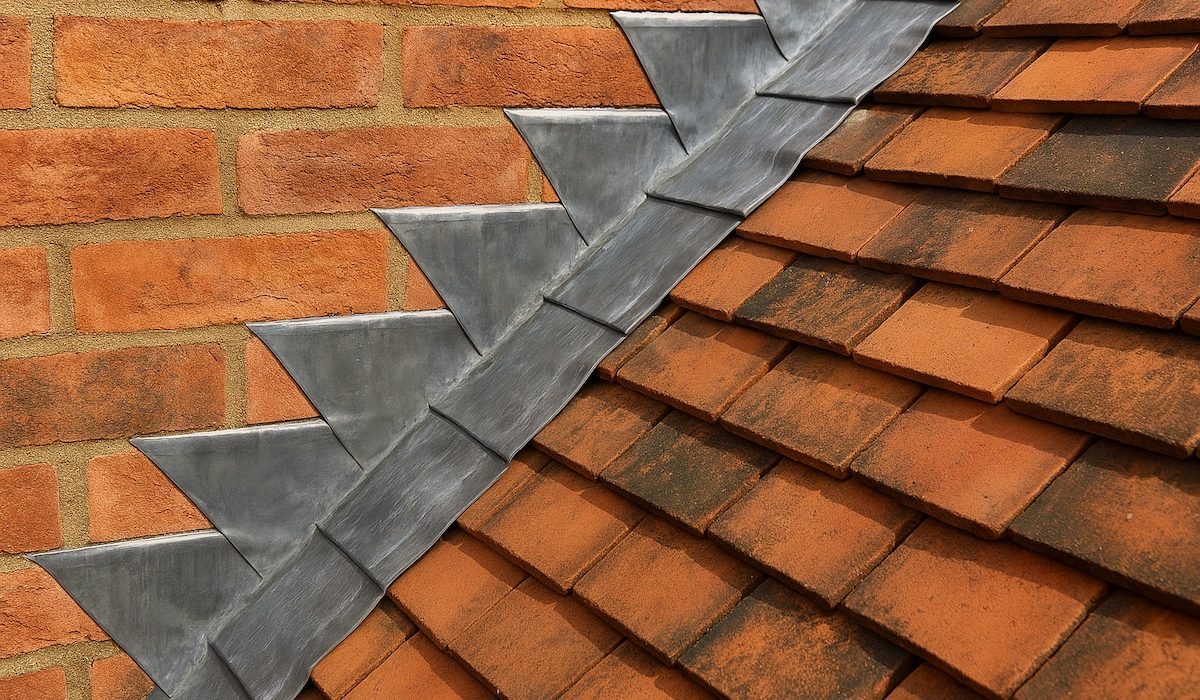
- Lead to the right code with adequate lap; chases wedged and neatly pointed.
- Step flashing sequencing on abutments; soakers with slate as required.
- Pre-formed corners & expansion detail where movement/thermal load is likely.
- Edge metals/termination bars on flat roofs, fixed to spec with correct sealant and pressure bars.
3) Flat Roofs: Build-Ups That Beat Weather
- EPDM or GRP for longevity; modified bitumen where heat-bond is appropriate.
- Warm roof build-ups with continuous vapour control to reduce condensation.
- Tapered insulation to remove ponding;
- Wide scuppers & overflows for box gutters/parapets.
4) Ventilation & Moisture Control
- Eaves-to-ridge ventilation to purge moist air.
- Void checks (lofts/ceiling cavities) for staining, insulation bridging and blocked pathways.
- Duct fans externally—never into the loft.
5) Hardware & Finishes
- Marine-grade/stainless fixings near the shoreline.
- UV-stable trims, caps and mastics—less chalking, better edge integrity.
- Biocide after moss removal to slow regrowth on shaded slopes.
Inspection & Maintenance: The Coastal Rhythm
Biannual inspections—after autumn storms and at the end of winter—catch issues early.
What we check
- Ridges/verges for uplift or screw fatigue
- Valleys for throughput and lap integrity
- Lead flashings for splits/short laps
- Gutters/outlets for alignment and capacity
- Flat roof seams, terminations and upstands
- Loft moisture, mould signs and insulation coverage
Simple wins
- Realign/resize outlets, add leaf guards where trees and gull activity are persistent
- Upgrade fragile mortar verges to dry verge
- Replace mixed-metal or rusted fixings with stainless/compatible alternatives
Materials at a Glance (Coastal Use)
- Clay/Concrete tile: Durable; ensure clips on windward elevations, correct headlap.
- Natural slate: Excellent longevity; use copper/stainless nails/soakers.
- EPDM: Proven flat-roof longevity; neat terminations critical near edges.
- GRP: Great for complex shapes and parapets; ensure correct trims and expansion detail.
- Modified bitumen (felt): Reliable when detailed well; watch UV and edge security.
Commercial & Multi-Block Considerations
- Box gutters/parapets sized for sideways rain & gusting; add emergency overflows.
- Access & safety lines planned into the design for easy maintenance.
- Planned maintenance with photo evidence reduces leak callouts and insurance friction.
Service Areas & Helpful Links
We cover Weston-super-Mare, Worle, Kewstoke, Banwell, Winscombe, Yatton, Congresbury, Clevedon, Portishead and Cheddar.
Explore:
FAQs
Do I really need dry ridge and dry verge near the coast?
Yes—mechanical restraint dramatically reduces storm-related failures compared with mortar.
How often should a coastal roof be inspected?
Twice per year—after storm season and at winter’s end—plus a quick check after major weather.
My gutters overflow in crosswinds—can that be fixed?
Often yes. Realignment, larger outlets, leaf guards and improved falls increase capacity in gusts.
Will salt air ruin lead flashings?
Lead is robust but needs correct code, laps and neatly sealed chases for long life in salt air.
Can you improve an older roof without a full re-roof?
Absolutely—targeted upgrades (dry ridge/verge, flashings, ventilation) deliver big reliability gains.
Call to Action
Want storm-ready detailing and fewer callouts? Request a free local quote from RMoss & Son—coastal-safe specifications, tidy finishes and photo-backed reporting.